Silk Pillowcases for Hair and Skin: What to Buy, What to Skip
Fiber, construction, care, and temperature matter more than an impressive-sounding momme number alone.

You want less morning friction on hair, but the pillowcase also needs to survive regular washing and a warm bedroom. That ordinary moment—not an ideal showroom—is the right place to begin.
For shoppers choosing between silk, satin, and premium cotton for nightly use, our editorial position is simple: buy for verified fiber content, secure construction, and care you can realistically maintain. It is a more useful filter than a long list of prestige features because it connects the purchase to something that will happen again next week.
Begin with the life around the product
Before opening ten retailer tabs, picture the first month of ownership. Where does the item live? Who reaches for it? What needs to happen when you are tired, late, or moving quickly? A beautiful purchase that requires a perfect routine often becomes beautiful clutter.
The more expensive option should solve a repeated source of friction: better fit, more dependable materials, a quieter motor, clearer controls, or service that extends the useful life. It should not merely add features that sound sophisticated while making the ordinary task slower.
What is worth paying for
A well-made washable cover in the correct pillow size is a better buy than a prestige label with difficult care.
Clear fiber and weave information
Confirm this detail in the current product documentation, size chart, care guide, or warranty. Then connect it to a task you perform regularly. If it does not make that task easier, more comfortable, or more reliable, it should not move the option higher on your shortlist.
A closure that keeps the pillow inside
Confirm this detail in the current product documentation, size chart, care guide, or warranty. Then connect it to a task you perform regularly. If it does not make that task easier, more comfortable, or more reliable, it should not move the option higher on your shortlist.
Wash instructions compatible with your routine
Confirm this detail in the current product documentation, size chart, care guide, or warranty. Then connect it to a task you perform regularly. If it does not make that task easier, more comfortable, or more reliable, it should not move the option higher on your shortlist.
A color that tolerates skincare residue
Confirm this detail in the current product documentation, size chart, care guide, or warranty. Then connect it to a task you perform regularly. If it does not make that task easier, more comfortable, or more reliable, it should not move the option higher on your shortlist.
The tradeoff to understand
Silk offers a distinct feel and lower friction, while quality cotton is easier to wash, cooler for some sleepers, and usually less expensive. Neither side is universally more elevated. The better purchase is the one whose limitation will interrupt your day less often.
Red flags before checkout
Luxury pricing can make an item feel pre-vetted. It is not. Slow down when the practical details are absent or when a retailer emphasizes a mood without explaining care, dimensions, compatibility, returns, or ongoing cost.
- Using silk and satin as interchangeable fiber terms.
- Hidden or dry-clean-only care requirements.
- Very dark dyes with vague colorfastness guidance.
Build a three-option shortlist
Keep one sensible baseline, one balanced choice, and one premium option. Compare the same four things across all three: the material or technical specification that affects daily use, the ownership work required, the return path if fit is wrong, and the cost of any accessories or consumables.
Prices and availability move quickly, so a temporary discount should be the last filter rather than the first. Decide what fits the scenario, verify the current details, and only then compare the final cost.
Before you buy
- Verify clear fiber and weave information in the latest product information.
- Verify a closure that keeps the pillow inside in the latest product information.
- Verify wash instructions compatible with your routine in the latest product information.
- Verify a color that tolerates skincare residue in the latest product information.
- Read the current warranty, care guidance, and retailer return terms.
- Measure the space, body, bag, or routine the product has to fit.
Frequently asked questions
What should I decide before comparing products?
Start with the real situation: You want less morning friction on hair, but the pillowcase also needs to survive regular washing and a warm bedroom. Write down the two constraints that would make the purchase fail, then compare only options that clear them.
When is the premium option worth it?
A well-made washable cover in the correct pillow size is a better buy than a prestige label with difficult care.
How should I use reviews and retailer pages?
Look for repeated ownership patterns across several sources, then verify current dimensions, materials, compatibility, warranty, care, and return terms with the manufacturer or retailer. A reviewer may have a different body, room, climate, or routine.
A worthwhile purchase should bring clarity to the routine—not more management. If you cannot describe the specific comfort, function, or pleasure it will add, waiting is often the most luxurious decision.
Related stories
More Beauty
LED Face Masks: A Buying Guide for Real Evening Routines
Fit, session length, eye comfort, and evidence quality matter more than a futuristic silhouette.
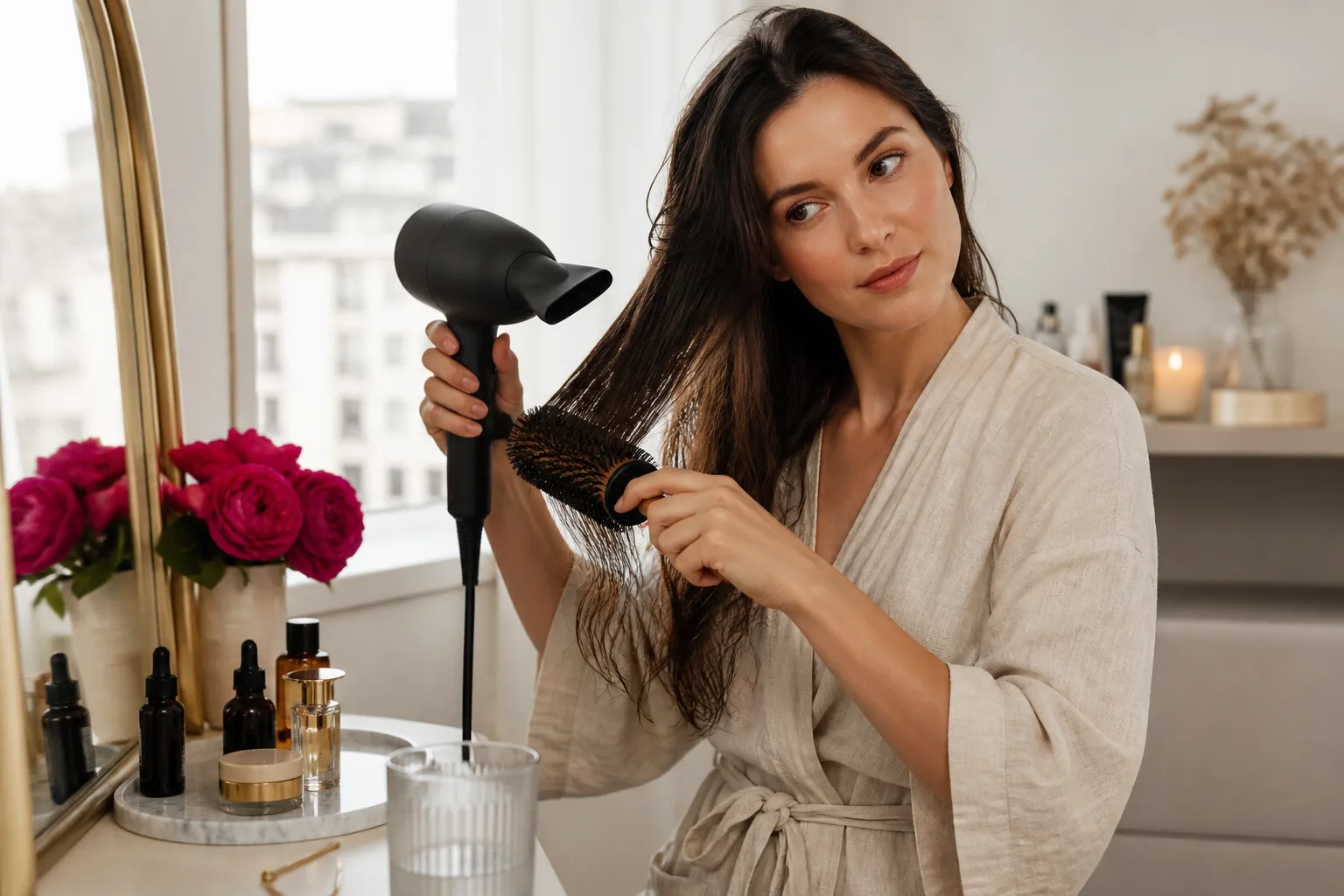
When a Premium Hair Dryer Is Worth the Upgrade
Air speed, balance, attachments, and noise are the details that change a busy morning.

How to Choose a Signature Fragrance Without Counter Fatigue
A slower sampling method for finding a scent that works at the office, at dinner, and on your own skin.