A Smartwatch That Works With Tailoring and Pilates
Case size, bands, battery, and controls for a wearable that moves between workouts and work.

The day begins at a class, continues through meetings, and ends at dinner without time to swap or charge a device. That ordinary moment—not an ideal showroom—is the right place to begin.
For professionals who want useful activity tracking without a permanently sporty look, our editorial position is simple: buy the smallest comfortable case that still supports the desired sensors and battery life. It is a more useful filter than a long list of prestige features because it connects the purchase to something that will happen again next week.
Begin with the life around the product
Before opening ten retailer tabs, picture the first month of ownership. Where does the item live? Who reaches for it? What needs to happen when you are tired, late, or moving quickly? A beautiful purchase that requires a perfect routine often becomes beautiful clutter.
The more expensive option should solve a repeated source of friction: better fit, more dependable materials, a quieter motor, clearer controls, or service that extends the useful life. It should not merely add features that sound sophisticated while making the ordinary task slower.
What is worth paying for
A widely supported case with replaceable bands creates more wardrobe range than paying extra for one fashion finish.
Case proportions comfortable on your wrist
Confirm this detail in the current product documentation, size chart, care guide, or warranty. Then connect it to a task you perform regularly. If it does not make that task easier, more comfortable, or more reliable, it should not move the option higher on your shortlist.
Bands that change without special tools
Confirm this detail in the current product documentation, size chart, care guide, or warranty. Then connect it to a task you perform regularly. If it does not make that task easier, more comfortable, or more reliable, it should not move the option higher on your shortlist.
Battery life aligned with sleep or workout tracking
Confirm this detail in the current product documentation, size chart, care guide, or warranty. Then connect it to a task you perform regularly. If it does not make that task easier, more comfortable, or more reliable, it should not move the option higher on your shortlist.
Physical controls usable with damp hands
Confirm this detail in the current product documentation, size chart, care guide, or warranty. Then connect it to a task you perform regularly. If it does not make that task easier, more comfortable, or more reliable, it should not move the option higher on your shortlist.
The tradeoff to understand
A bright large screen is easier during exercise, while a smaller case integrates more quietly with cuffs, jewelry, and sleep. Neither side is universally more elevated. The better purchase is the one whose limitation will interrupt your day less often.
Red flags before checkout
Luxury pricing can make an item feel pre-vetted. It is not. Slow down when the practical details are absent or when a retailer emphasizes a mood without explaining care, dimensions, compatibility, returns, or ongoing cost.
- Buying solely from a large display photo.
- Proprietary bands with limited future availability.
- Assuming every health feature is available in every region.
Build a three-option shortlist
Keep one sensible baseline, one balanced choice, and one premium option. Compare the same four things across all three: the material or technical specification that affects daily use, the ownership work required, the return path if fit is wrong, and the cost of any accessories or consumables.
Prices and availability move quickly, so a temporary discount should be the last filter rather than the first. Decide what fits the scenario, verify the current details, and only then compare the final cost.
Before you buy
- Verify case proportions comfortable on your wrist in the latest product information.
- Verify bands that change without special tools in the latest product information.
- Verify battery life aligned with sleep or workout tracking in the latest product information.
- Verify physical controls usable with damp hands in the latest product information.
- Read the current warranty, care guidance, and retailer return terms.
- Measure the space, body, bag, or routine the product has to fit.
Frequently asked questions
What should I decide before comparing products?
Start with the real situation: The day begins at a class, continues through meetings, and ends at dinner without time to swap or charge a device. Write down the two constraints that would make the purchase fail, then compare only options that clear them.
When is the premium option worth it?
A widely supported case with replaceable bands creates more wardrobe range than paying extra for one fashion finish.
How should I use reviews and retailer pages?
Look for repeated ownership patterns across several sources, then verify current dimensions, materials, compatibility, warranty, care, and return terms with the manufacturer or retailer. A reviewer may have a different body, room, climate, or routine.
A worthwhile purchase should bring clarity to the routine—not more management. If you cannot describe the specific comfort, function, or pleasure it will add, waiting is often the most luxurious decision.
Related stories
More Wellness
Choosing a Smart Ring for Sleep Without Obsessing Over Scores
Fit, charging, subscription cost, and useful trends for a wearable that should disappear overnight.
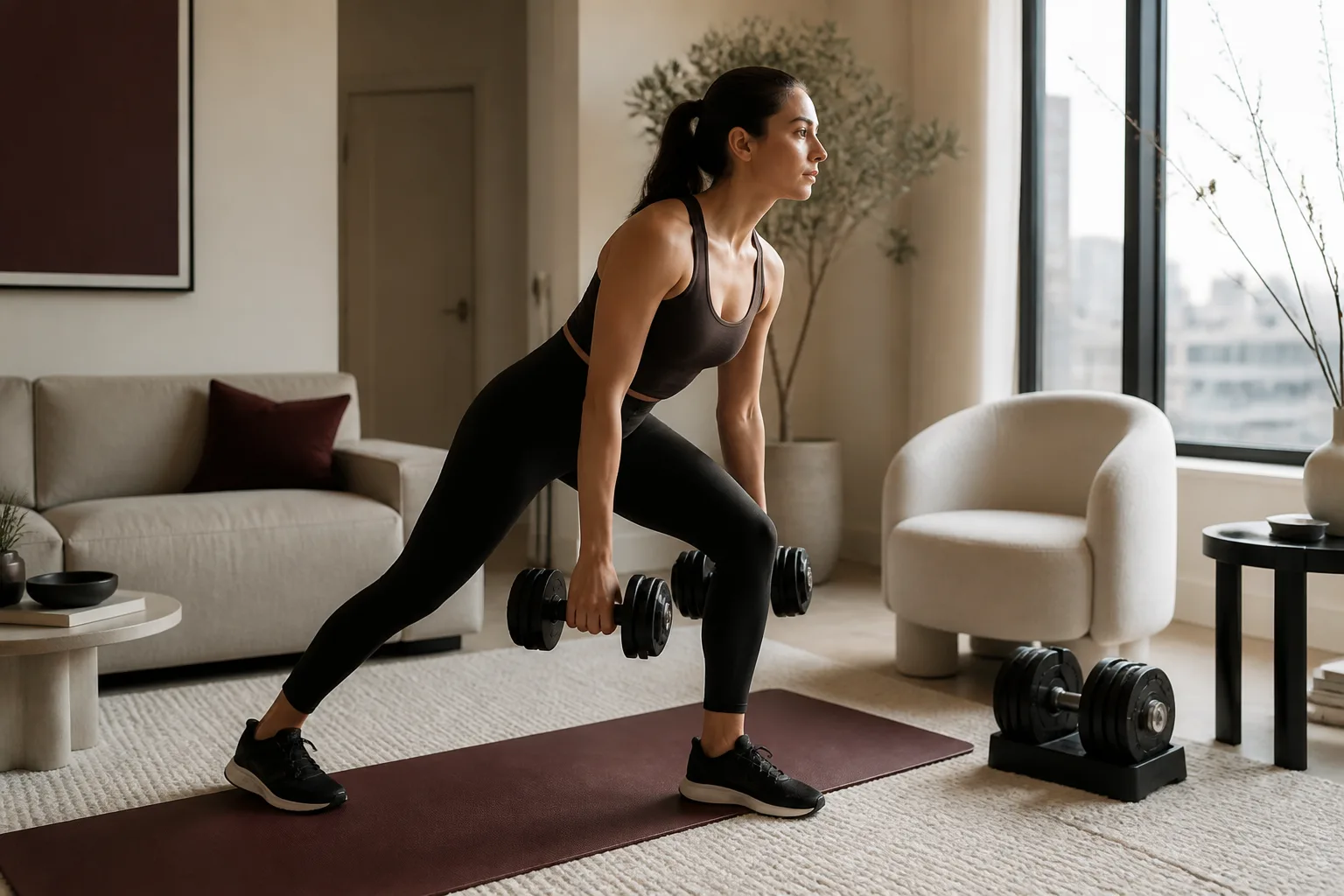
Adjustable Dumbbells for a Designed Living Room
Safe adjustment, usable increments, storage, and floor protection for strength work in a shared room.

A Desk Chair for a Bedroom Office That Disappears After Work
Support, scale, fabric, and visual quiet for a chair that shares space with rest.